Easter Bunny and Cute Animal Adventures
A Designer’s First Glance: Charm Without Clutter
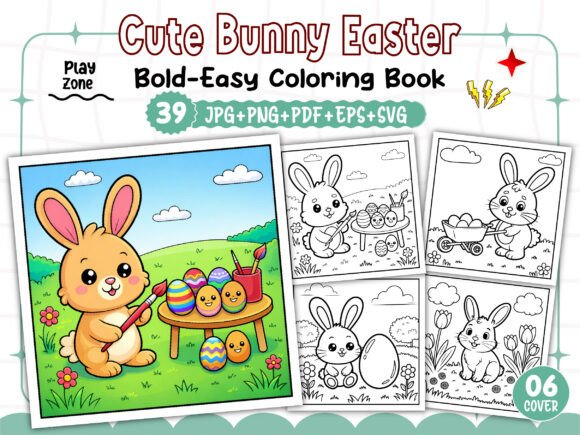
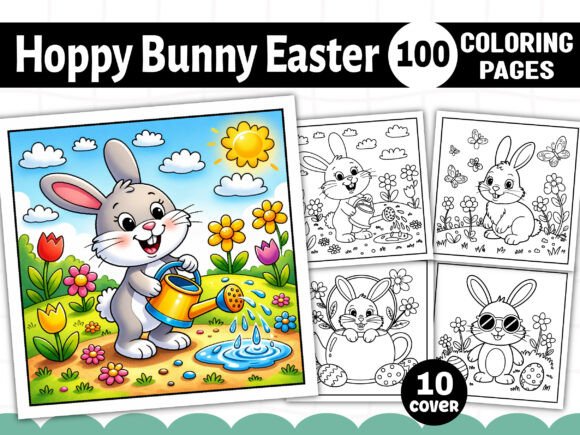
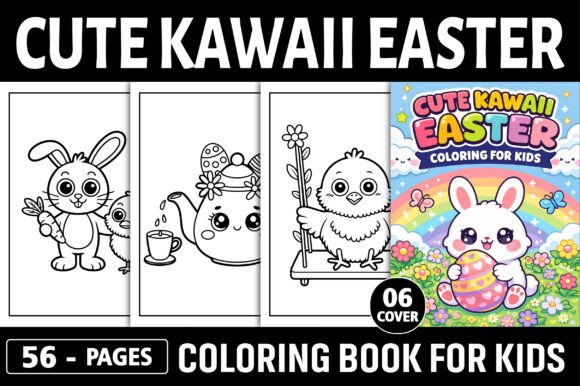
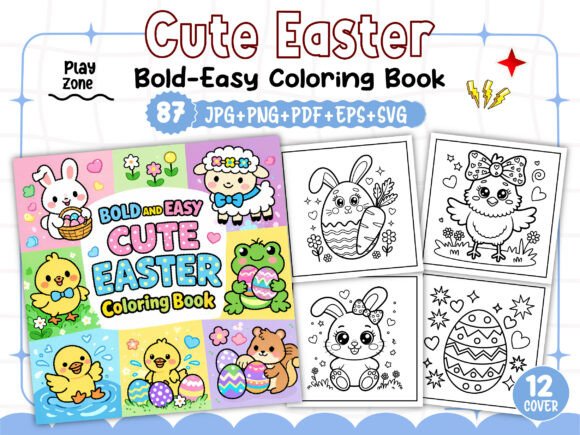
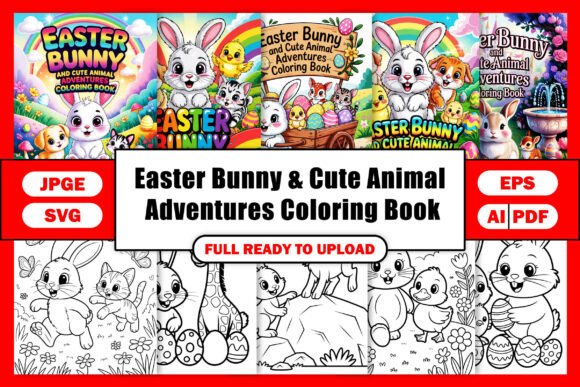
Opening Easter Bunny and Cute Animal Adventures, I immediately notice what makes it work for real embroidery: simplicity with personality. The line art is clean, confident, and intentionally uncluttered—no tiny crosshatching or micro-details that would vanish under satin stitch or blur on a baby onesie. It feels like a sketch you’d want to trace onto stabilizer, not a coloring page fighting to be stitched. That’s critical. As someone who’s digitized dozens of animal motifs for boutique clients, I know how easily “cute” becomes “confusing” when translated to thread. This set avoids that trap. The bunnies have expressive eyes and soft curves; the supporting animals—foxes, chicks, lambs—are distinct but cohesive. It reads as a unified collection, not a grab bag. That consistency matters whether you’re building a seasonal product line or stitching a one-off gift.
How It Stitches in the Real World
I tested Easter Bunny and Cute Animal Adventures across three common small-business use cases: a linen tea towel, a cotton toddler sweatshirt, and a denim patch. On the towel, the open shapes held up beautifully with a medium-density fill stitch—no puckering, no thread breakage. On the sweatshirt, I used light tear-away stabilizer and kept stitch count moderate; the rounded ears and gentle outlines stayed crisp, even over the fabric’s slight nap. The patch came out especially strong—ideal for iron-on or sew-on application on backpacks or jackets. What stood out was how forgiving the design is on slightly uneven surfaces. Unlike intricate florals or letter-heavy designs, these animals don’t rely on razor-thin lines or tight corners. That means fewer stops for rehooping, less risk of skipped stitches on curved seams (like cap brims), and smoother results on textured fabrics like terry cloth or corduroy.
Where It Shines—and Where to Pause
- Best fits: Embroidered tote bags (centered front panel), baby onesies and burp cloths (single motif, low stitch density), kitchen towels and aprons (balanced scale, cheerful tone), nursery pillows and blanket corners (soft visual weight), Easter-themed boutique merchandise (think greeting cards + matching embroidered tags).
- Use carefully: On dark fabrics—test thread contrast first; pastel threads can mute on navy or charcoal. Avoid ultra-fine details (like whiskers or tiny flower stems) for sub-3-inch hoop sizes unless you’re using high-res digitization. Skip dense satin-stitch fills on thin knits—opt for running-stitch outlines or simplified fill instead. And never assume it’s ready for stretchy performance fabric without testing stabilizer pairing and tension.
What It Adds to Your Handmade Product—Beyond the Stitch
As an embroidery designer and Etsy seller myself, I judge assets not just by how they stitch—but how they land with customers. Easter Bunny and Cute Animal Adventures delivers immediate warmth and approachability. That translates directly to perceived value: parents feel reassured choosing it for baby gifts; craft fair shoppers pause longer because it reads as thoughtful, not generic. It supports brand consistency too—if your shop leans into gentle, nature-adjacent aesthetics (think organic cotton, muted palettes, slow-made ethos), this collection reinforces that quietly. No loud Easter slogans or cartoonish exaggeration. Just quiet charm, well-paced spacing, and enough variation (bunny alone, bunny with chick, group scene) to let you curate without repeating. That flexibility helps avoid visual fatigue in listings—critical for digital embroidery file sellers who need multiple mockups that feel fresh.
Practical Notes Every Embroiderer Should Check Before Stitching
- Always test on scrap fabric first—especially if combining with applique or layered stitches.
- Review stitch density: High-fill versions may overwhelm lightweight fabrics; look for optional low-density variants or simplify manually.
- Confirm hoop size compatibility: Most motifs fit comfortably in a 4×4 hoop, but group scenes may require 5×7—verify before prepping client files.
- Inspect small details: Are eyes or paws defined enough to read at 2 inches tall? If not, adjust stitch type (e.g., switch from fill to satin outline).
- Test black-and-white mockups: Does the shape hold up without color cues? Strong silhouettes = stronger embroidery impact.
- Compare light/dark fabric backgrounds: Some motifs gain clarity on contrast; others soften. Know which version you’re sending to production.
- Use appropriate stabilizer: Tear-away for stable wovens, cut-away for knits, and fusible for patches.
- Verify licensing: Since this originates as Coloring Pages graphics, confirm whether commercial embroidery rights are included—or if you’ll need separate permission for finished products sold on Etsy or in your small shop.
Final Thought: A Quietly Versatile Asset
Easter Bunny and Cute Animal Adventures isn’t flashy—but that’s its strength. In a market saturated with over-digitized, trend-chasing designs, it offers reliable, stitch-friendly charm. It works equally well as a machine embroidery design for custom apparel, a printable mockup base for digital product sellers, or the heart of a handmade holiday gift. It respects the craft: no hidden traps in the vector paths, no unrealistic expectations for home machines, and zero visual noise. For embroidery designers, Etsy sellers, and small shop owners building a recognizable, trustworthy handmade presence, this is the kind of design that earns repeat customers—not because it shouts, but because it stitches true.